
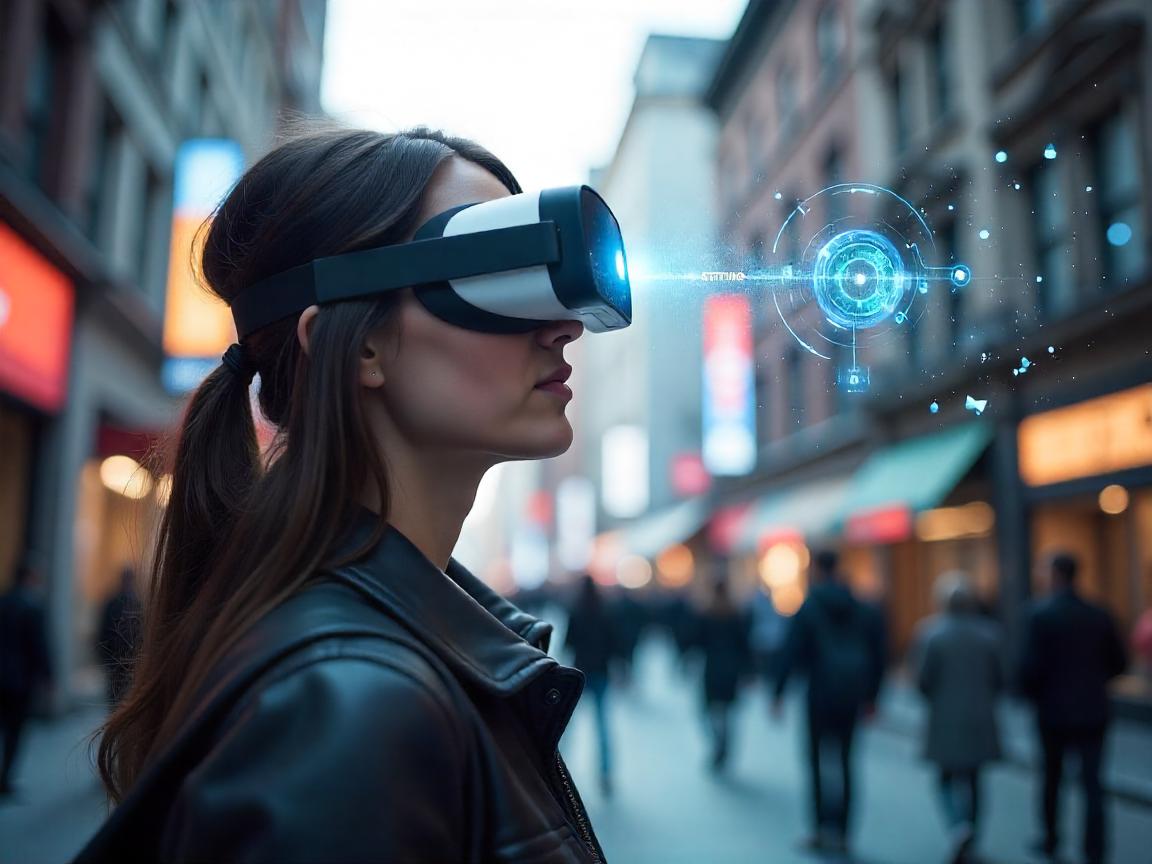
A Different Way of Engaging Online
Envision a world where what is real and digital easily connects. Our vision for technology is coming to life thanks to spatial computing. Introduction of AR, VR and AI into spatial computing is helping industries like healthcare, manufacturing, entertainment and education undergo rapid transformation. Convergence is about more than making things easier for users; it’s also changing the structure of our day-to-day living.
Learning about Spatial Computing
The main idea behind spatial computing is that digital tools connect with our environment. The technology helps devices sense and make sense of space so immersive experiences combining virtual and real worlds are possible. Sensors, cameras and AI algorithms prepared within this technology allow for responses to the surroundings, aiding the development of AR navigation, VR simulations and real-time data visualization.
Spatial Computing Effect in Different Industries
Healthcare: Spatial computing is gaining important ground in healthcare. Using VR and AI, platforms such as Virti offer training that helps medical specialists get better at their work and talking to patients. Adoption of such technologies at the NHS and Cedars-Sinai shows that they can enhance both staff learning and care for patients.
Optimizing production processes is becoming easier for companies such as BMW, with the help of spatial computing. Developing digital images of assembly lines can help them check and improve operations before using them, thus reducing mistakes and increasing success.
The industry responsible for entertainment is also changing. Events such as U2’s Las Vegas residency and Taylor Swift’s Eras Tour have benefited from using Disguise, to provide innovative experiences with XR and digital world technology.
Real-World Applications and Case Studies
- Niantic’s Spatial Mapping: After launching Pokémon Go, Niantic is now concentrating on building an extensive map of the globe. The data collected from users helps CascadeX to map the real world at street level and make new location-based services possible.
- Mercedes-Benz Remote Assist: With its spatial computing, Mercedes-Benz offers virtual remote support to its customers. Collaboration with remote specialists allows technicians to improve how they conduct maintenance and please their customers.
Changes and Forecasts in Market Development
There is fast growth in the spatial computing market. This market was worth USD 97.9 billion in 2023 and is set to grow to USD 280.5 billion by 2028, at a CAGR of 23.4%. Because of the growth of AR/VR, more industries using it and merging AI and IoT, augmented reality is spreading widely.
Problems and Questions about Ethics
Still, spatial computing encounters some unwelcome challenges. Protecting user information becomes necessary since data is being processed and used. Thanks to rapid changes in the industry, there may be gaps between the rules and actual practices, creating problems around privacy and collecting personal data.
Expert Insights
Dr. Alexander Young, who started Virti, believes spatial computing is revolutionizing how we teach and train. He points out that immersive technologies help students learn faster and remember more, thanks to their flexibility in different sectors.
In short, we are on a path toward a Spatial Future.
Spatial computing represents both a change in technology and also a new way of seeing and interacting with our environment. Experiencing changes, industry sectors are adopting this new technology and this will eventually blend the differences between digital and physical, producing more innovation than before. The challenge stands: how will we work with and change this new kind of space?