
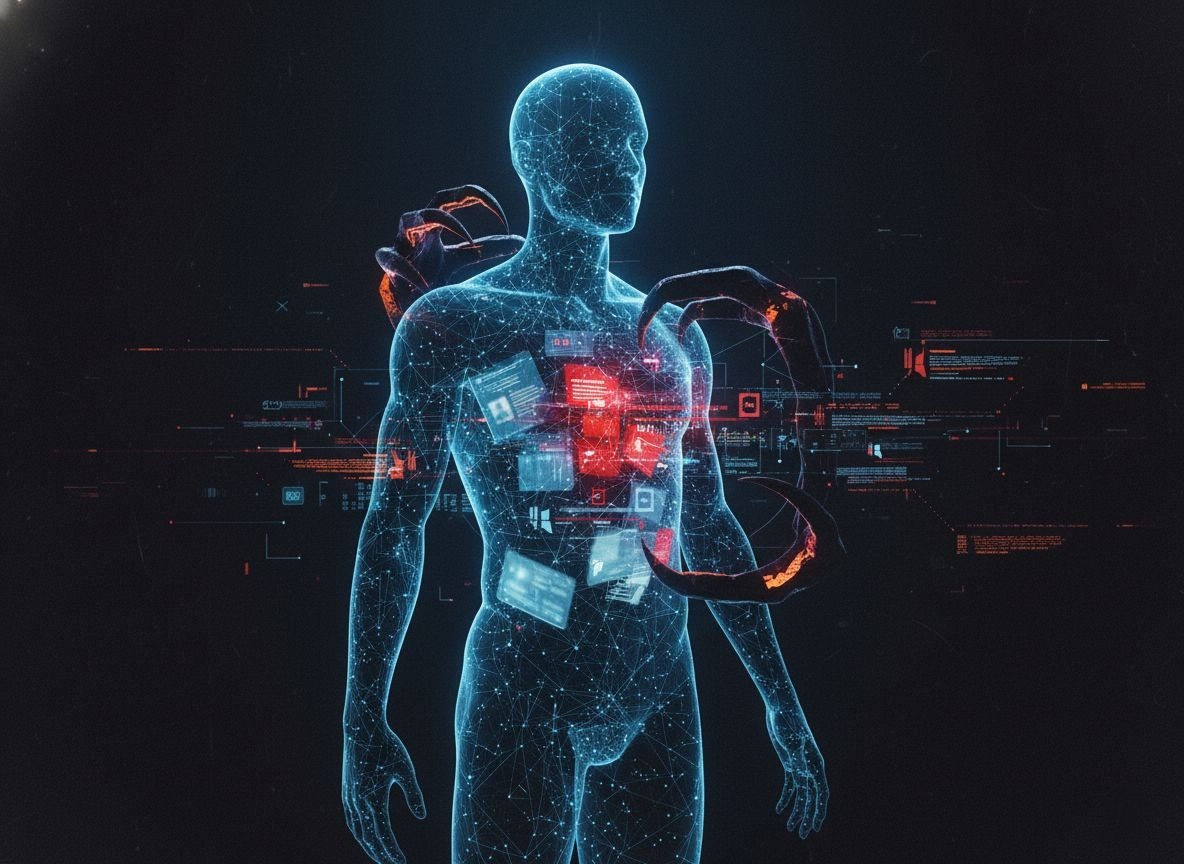
Our data is more than ever under the digital locks. Why are cyberattacks becoming more dreadful then? There has been a transformation in the game by the hackers. They now are not simply locking your files. They even are using AI to weaponize your own data and then before you realize they are doing it. The new generation of shrewd threats requires a total re-examination of our IT defenses. Do you want to be ready to the next?
The Terrifying Jump to Wise Extortion
Do you remember when your network was ransomed? Pay the fee, get the key. That was Ransomware 1.0. Then came “double extortion.” Gangs would rob your information and encrypt it. Now, we face Ransomware 3.0. Before even the encryption alert comes on, the actual nightmare sets in.
Modern gangs automate the process of sifting through stolen information. They hunt for secrets. They seek executive salaries or health records of patients. This isn’t random theft. It is an artificial intelligence mining project. Threat actors use this intelligence to rationalize huge ransom prices. It is not only about losing data anymore but weaponization of the same.
The way of Artificial Intelligence driving the cyber attack cycle
The pace of such attacks is amazing. The current cybercrime syndicates are run like technology startups. They use AI and Cloud computing applications to expand their operations. As an example, they apply the Natural Language Processing (NLP) algorithms. Such algorithms are used to search through millions of files automatically using key words.
Suppose that there is a script which finds all the references on the word merger, lawsuit, or passport in a single go. It has come to be a norm. This robotization enables a small team to cope with gigantic attacks in an icy cold manner. The human hackers are just going through the highlights created by their own AI systems. This is a nightmare to the Network Administration professional in all places.
“The industrialization of cybercrime is complete. AI is their force multiplier, making every attack smarter and more profitable.” – Kaspersky’s Global Research & Analysis Team
A Case Study: The MGM Resorts Breach
A real world situation can be considered. The Tesla attack of 2023 on MGM Resorts by Alphv/BlackCat gang was not a system lockout. It had been a psychological and financial masterstroke. The hackers stole valuable information. This involved high-roller databases and personal information of the employees.
They then employed this information in exerting pressure. The result? A casino business, hotel check-in, and electronic keys shutdown. The loss of finances was said to be more than 100 million. This case study demonstrates that the price of a breach is now much higher than any ransom can be. It is a harsh reality about current Cybersecurity.
The Traditional IT Defense Critical Gaps
On what side are we failing in our defenses? There are numerous organizations that are still fighting the past war. They are based on solid perimeters and sound backups. However, what is a backup that the attacker has already stolen and weaponized your crown jewels? Once the data is exfiltrated it is already damaged.
The old model is broken. No new, data-centric security posture is a compromise. We have to presume that a breach has already taken place. This is the radical change of attitude that can fight these sophisticated threats. The IT strategy must develop, and quickly.
It has ceased to be defensive perimeter protection but the protection of the data. This is the essence of the contemporary Cybersecurity. – Insikt Group of Recorded Future.
Creating a data-intensive, Hardened Security Posture
Fighting AI requires AI. Attackers have to go with a Zero-Trust model. It is a saying never put your trust in, always check. All the access requests within or outside the network should be authenticated. Moreover, access controls are also necessary. Not all the employees have to get access to all the servers.
It is also imperative to implement powerful Data Analytics of threat detection. Such systems are able to identify suspicious patterns of accessing data. They are able to draw the attention of a user who is downloading terabytes of information. This preventive measure is important in preventing exfiltration. Lastly, encrypt the sensitive data in rest. Stolen information is rendered useless and it has no value in blackmail.
Human Element in Hyper-Automated World
All the discussions about AI notwithstanding, the human factor is essential. Still one of the main points of attack is phishing emails. The first and most economical defense is continuous employee training. The first attempt of breach can be identified by a vigilant culture. This provides your IT team with an equal opportunity.
Simulate attacks. Run drills. Cybersecurity should be a shared responsibility and not the responsibility of the IT department. Anyway, a chain is only as strong as the weakest link. Make your employees part of the solution.
Cloud Computing Conundrum
Mobilization to Cloud Computing brings in new complications. Storage buckets that are wrongly configured are the treasure trove of attackers. The shared responsibility model may bring about confusion. What is it that is to be secured by whom? Strong Cloud security posture management (CSPM) tools can no longer be considered as optional. They are necessary to survive in this new scenery.
Concluding Remarks: An Arms Race We Can Not Afford to Win
It is not a mere technical problem. It is a business inherent risk. The intersection of AI and cybercrime is an irreversible change. We are at an arms race against very well-invested, highly motivated enemies. Investing in improved Cybersecurity is no longer an option of IT. It is the basic price of conducting business in the digital era. The second one will not simply demand a ransom, it will use your secrets to destroy your company inside and outside. It was last night to strengthen your fortifications.